


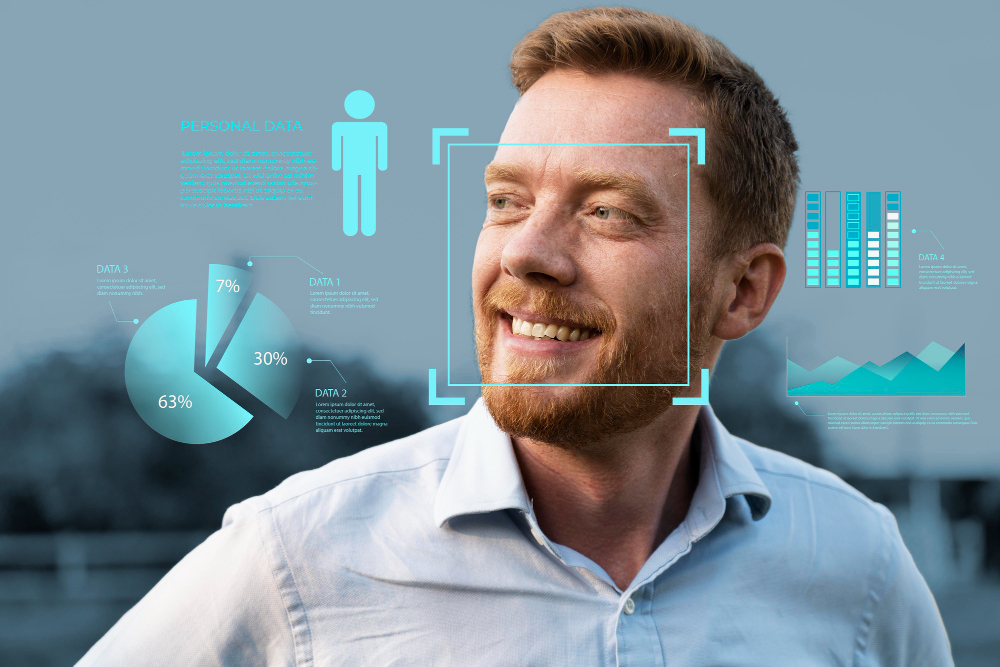
Why Digital Identity Security Matters More Than Ever
Across the Asia-Pacific region, digital identity systems are becoming a major part of everyday life. From biometric logins and mobile banking to digital ID wallets and government verification systems, people are now connected to multiple online platforms every single day.
To Know More:- Fix It, Don’t Bin It: Why Everyone’s Repairing Their Devices Now
As this digital ecosystem grows, protecting personal information is becoming one of the biggest cybersecurity priorities of 2026. Users are no longer just protecting passwords; they are protecting their financial data, online reputation, and entire digital identity. In a world where digital and real-life identities are increasingly connected, online security has become essential.
Traditional Passwords Are No Longer Enough
Cyber threats are evolving quickly. AI-powered scams, deepfake technology, phishing attacks, and credential theft are becoming more sophisticated across global digital networks. In mobile-first regions like Asia-Pacific, where people manage work, payments, communication, and entertainment through connected devices, identity theft risks are growing significantly.
This shift is pushing users toward stronger security habits, such as:
- Multi-factor authentication
- Passkey-based logins
- Real-time identity monitoring
- Encrypted browsing
- Dark web protection tools
People are becoming more proactive about monitoring their digital footprint instead of waiting for a security breach to happen.
Strengthening Online Privacy with NordVPN
As online privacy concerns continue to rise, platforms like NordVPN are expanding beyond traditional VPN services to offer broader identity protection features. Tools like dark web monitoring, encrypted browsing, and threat protection help users detect potential data leaks and improve digital privacy across devices. Advanced features designed to identify suspicious activity and AI-driven scams are also becoming increasingly important as cybercriminal tactics evolve. For users across the Asia-Pacific region, digital security tools are no longer viewed as optional tech products; they are becoming part of everyday online safety.

The Future of Identity Protection
The future of cybersecurity is moving toward smarter and more automated protection systems. Decentralized digital IDs, AI-powered authentication, and zero-trust security models are already shaping the next generation of online experiences. As governments, financial institutions, and technology companies continue building more connected digital ecosystems, trust and privacy will become even more important. Users want systems that are not only convenient but also secure enough to protect personal information in real time.
A More Secure Digital Future
The Asia-Pacific region continues to lead innovation in mobile technology, fintech, and digital infrastructure. But with greater connectivity comes greater responsibility around cybersecurity and identity protection. By using platforms that prioritize privacy, encryption, and proactive monitoring, users can navigate the digital world with greater confidence.
To Know More:- Smart Setups: The Future of Gaming and Remote Work
The future of digital identity is not just about staying connected; it is about staying protected, too!
Leave a Reply