


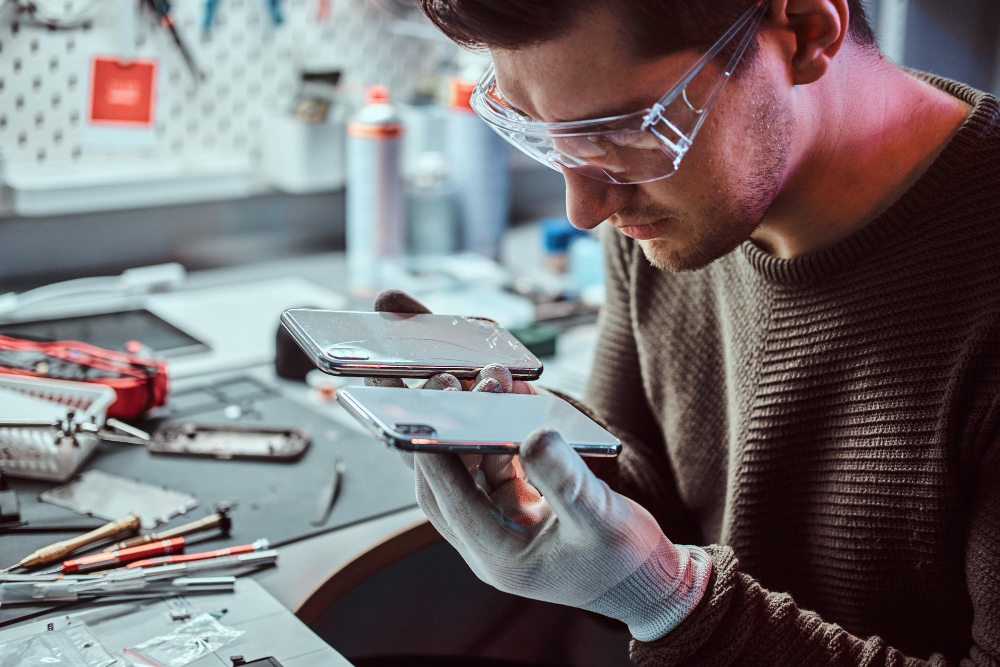
Something shifted quietly over the last few years: people stopped rushing to the store the moment something broke. Instead, they started Googling “how to fix it”, and actually following through.
So what’s driving this? It’s not just one thing. It’s a bunch of small, very human reasons all adding up.
To Know More:- AI Voice Cloning Is Getting Out of Hand
The Cost of Replacing Has Gotten Out of Hand
Let’s be honest, buying new tech is expensive. A new phone, laptop, or even a basic home appliance can set you back hundreds of dollars. But a cracked screen, a worn-out charging port, a busted fan; most of the time, that’s a $20–$50 fix if you have the right parts and a little patience.
People are doing the math and choosing repair. It’s not complicated; it just makes financial sense.
The DIY Culture Is Louder Than Ever
YouTube tutorials, Reddit threads, and repair communities have made it easier than ever to figure out exactly how to fix something. Nobody feels like they need to be an expert anymore. If someone else has done it and posted a video, you can probably do it too. That confidence is huge. It’s what turns “I should probably just get a new one” into “actually, let me try fixing this first.”
Getting the Right Parts Is No Longer the Hard Part
A few years ago, sourcing the right screw, connector, or component felt like a treasure hunt. That’s changed. Stores like Harfington carry a massive range of hardware tools, electronics components, and DIY repair parts, all in one place, shipped fast.
Whether you’re fixing an appliance, a car, or a gadget, having the right part available makes all the difference between a repair that happens and one that doesn’t.

People Actually Care About Waste Now
Throwing away a perfectly fixable device feels wrong to a growing number of people, and that feeling is turning into action. The environmental cost of constantly buying new electronics is real, and more consumers are aware of it. Repair is one of the simplest ways to reduce that footprint without making any dramatic lifestyle changes.
To Know More:- The Future of Digital Ownership in Hong Kong
There’s Real Satisfaction in Fixing Something
This one doesn’t get talked about enough. There’s something genuinely satisfying about taking a broken thing and making it work again. It’s a small win that feels surprisingly good, and once you’ve done it once, you’re much more likely to try again. The repair movement isn’t just practical; it feels like the smarter, more thoughtful choice. And honestly? It is.
Leave a Reply