


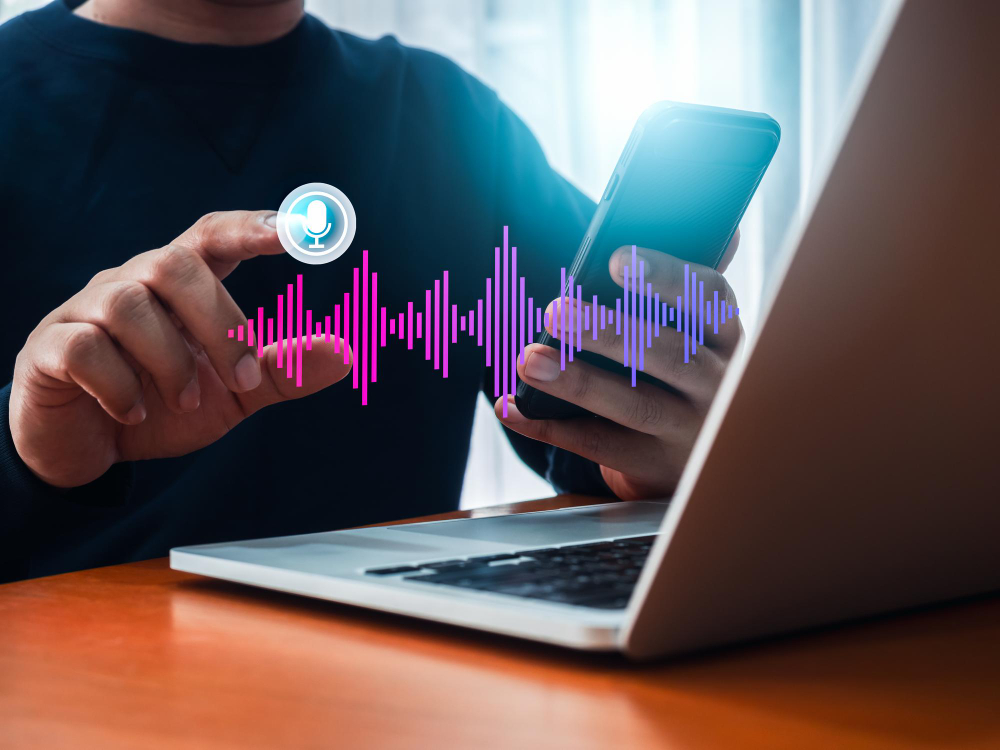
The familiar sound of a relative’s voice used to be a foolproof way to verify their identity. Today, however, advanced AI has completely rewritten the rules of digital safety. With less than a minute of audio clipped from a public video, cybercriminals can now generate an astonishingly accurate digital clone of your child, spouse, or parent.
These high-tech “deepfakes” are fueling a surge in sophisticated phone scams. Victims often receive panicked, high-pressure calls demanding urgent financial help for an imaginary crisis, like a severe car accident, sudden legal trouble, or a travel emergency. Before you know it, you’ve taken the bait and have become a ticked-off number on a scammer’s checklist.
The Psychology Behind Virtual Distress Scams
What makes voice-cloning scams uniquely devastating is how they exploit human emotion. Hearing a family member crying or begging for help triggers an immediate fight-or-flight response, effectively shutting down logical reasoning. Scammers amplify this panic by spoofing caller IDs, making the incoming call appear to come from a local hospital, police precinct, or even the victim’s own contact list. By manufacturing a false, time-sensitive emergency, criminals trick targets into transferring untraceable funds via digital payment apps before they have a chance to look at the situation objectively.
Strengthening Your Digital Security Infra
Defending your household against these threats requires combining smart behavioral changes with advanced digital solutions. Scammers typically rely on harvested background details like phone numbers, family structures, and location data to make their deceptive scenarios believable.
As these threats evolve, the tools we use to defend our homes must become equally intelligent. Protecting your family in this hyper-connected era requires a multi-layered defense strategy that starts with proactive monitoring. This is where Norton 360 with LifeLock becomes an essential part of the modern American household. By providing comprehensive identity theft protection and dark web monitoring, Norton helps ensure that the personal data hackers use to “prime” these scams, such as your phone number, family connections, and social media details, is not being traded in the corners of the internet where criminals congregate.
The Low-Tech “Safe Word” Shield
While sophisticated algorithms drive these cybercrimes, one of the most effective defenses is entirely analog: the family safe word. Security specialists recommend that households establish a secret, non-obvious phrase known exclusively to immediate family members. If you ever receive a frantic, out-of-the-blue call requesting money or sensitive data, simply ask the caller for the safe word. If they stall, change the subject, or fail to provide it, you instantly know you are dealing with an AI fabrication. It is a simple, highly effective countermeasure against complex technology.
Starving the AI of Raw Audio Data
Ultimately, prevention begins with reducing your public digital footprint. Over-sharing videos or voice notes online provides bad actors with the perfect raw material to train their cloning software.
By adjusting your social media privacy settings to private and being highly selective about who can view your multimedia content, you can effectively starve malicious AI tools of the data they need to replicate your voice. Staying vigilant, securing your communication lines, and practicing digital discretion are the keys to keeping your loved ones safe in the AI era.
Leave a Reply