


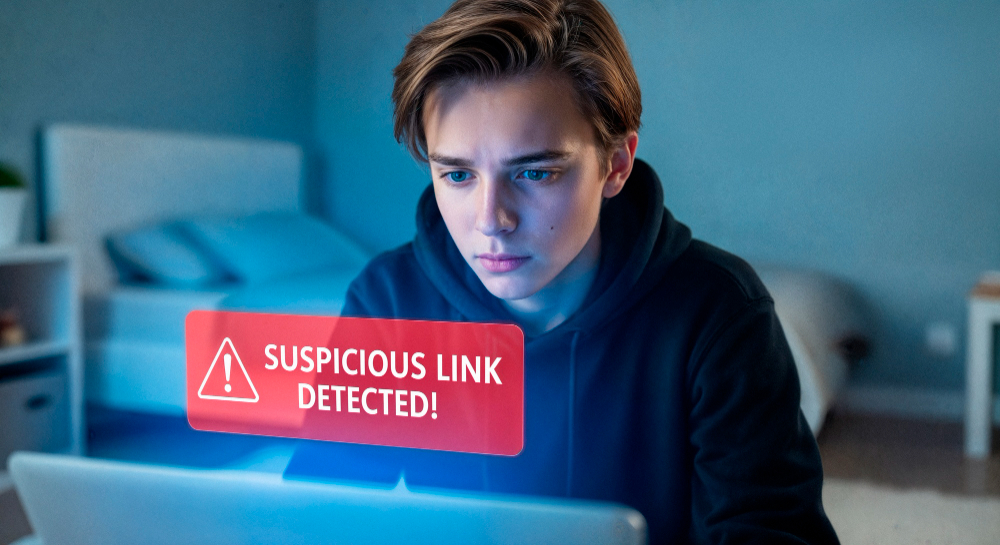
Identity theft isn’t something that only happens to celebrities or big corporations anymore. It can happen to anyone with an online presence, which, let’s be honest, is all of us. From leaked passwords to stolen banking details, cybercriminals are getting smarter, making it more important than ever to spot the warning signs early. Better news? Identity theft usually leaves clues before it becomes a major problem.
Here’s what you should watch out for.
- Unfamiliar Transactions on Your Bank Statements
One of the earliest and most common signs is seeing purchases or withdrawals you don’t recognize. These might start small, as fraudsters often test whether a card is active before making larger transactions. Regularly reviewing your bank and credit card statements can help you catch suspicious activity before it spirals.
Pairing good financial habits with trusted security software like Norton adds another layer of protection by helping safeguard your devices and personal information while you’re online.
- Unexpected Password Reset Emails
Receiving password reset requests that you didn’t initiate is another major red flag. If you’re suddenly getting emails asking you to reset your login credentials, someone may already be trying to access your accounts. Act quickly by changing your passwords, enabling two-factor authentication (2FA), and using unique passwords for every important account.
- Your Accounts Suddenly Get Locked
If you’re unable to log into your email, banking app, or social media despite entering the correct password, don’t assume it’s a technical glitch. Cybercriminals often change passwords after gaining access, locking the real owner out. Recover the account immediately through official recovery channels and secure any linked accounts as well.
- Bills, OTPs, or Notifications You Weren’t Expecting
Receiving loan approvals, credit card statements, OTPs, or account verification messages that you never requested could indicate that someone is using your identity to open new accounts. Don’t ignore these alerts, and contact the relevant institution immediately to verify the activity and report any fraud.
- Your Credit Score Drops Without Explanation
A sudden dip in your credit score can sometimes reveal identity theft before anything else does. Fraudsters may have opened credit lines or taken loans in your name, affecting your credit history. Checking your credit report periodically can help you identify unauthorized financial activity early.
- Friends Receive Strange Messages From You
If friends or colleagues mention receiving suspicious links, money requests, or unusual messages from your email or social media account, your account may have been compromised. Secure the account immediately, change passwords, log out of all active sessions, and notify your contacts not to interact with any suspicious messages.
How to Protect Yourself From Identity Theft?
While no one can eliminate risk entirely, a few habits significantly reduce your chances of becoming a victim:
- Use strong, unique passwords for every account.
- Turn on two-factor authentication wherever possible.
- Keep your software and devices updated.
- Avoid clicking unknown links or attachments.
- Monitor your financial accounts and credit reports regularly.
Identity theft often starts quietly, but acting early can prevent serious financial and personal damage. Staying alert to unusual account activity, unexpected notifications, and login issues gives you the best chance of stopping fraud before it escalates.
In today’s connected world, combining smart online habits with reliable cybersecurity tools can go a long way in protecting your digital identity. After all, prevention is much easier than recovering from stolen personal information.
Leave a Reply