


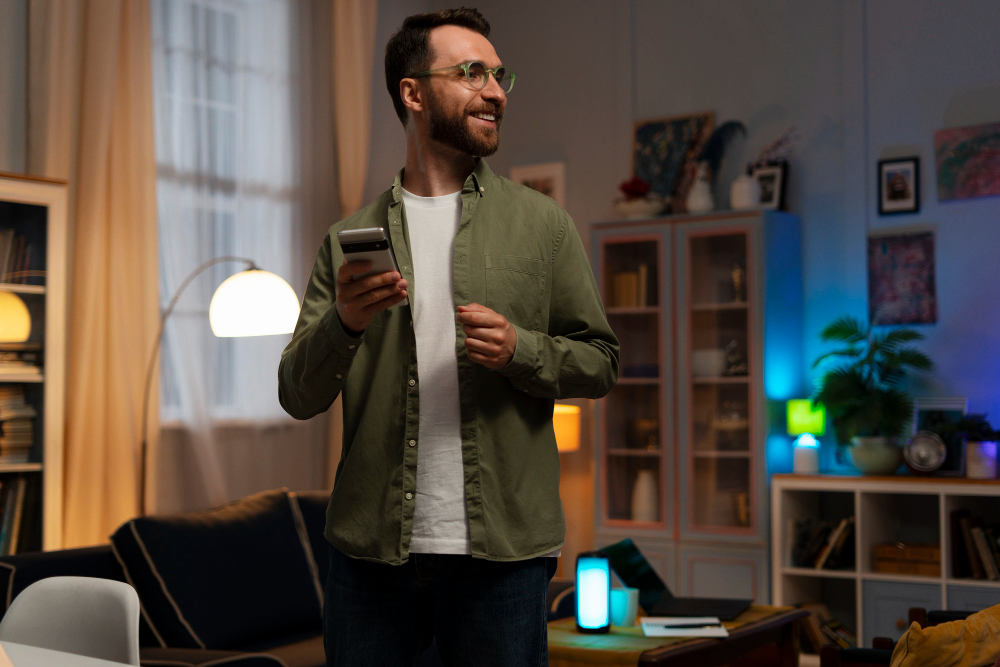
Smart home technology has quietly evolved over the last few years. It’s no longer just about turning lights on with your voice or checking security cameras from your phone. The latest home tech is becoming more intuitive, more personalized, and surprisingly more practical for everyday life.
Today’s smart homes are focused on automation that feels natural: doors unlocking automatically, sensors understanding when someone is actually in a room, and devices working together without needing constant adjustments. Instead of flashy gadgets, people are now looking for home tech that blends seamlessly into daily routines.
To Know More:- Are Performance Optimization Tools Making a Comeback?
Smart Security Is Becoming More Seamless
One of the biggest trends in home tech right now is frictionless security. People want stronger home protection, but they also want systems that feel effortless to use. Traditional smart locks often came with complicated apps or delayed responses, but newer devices are focusing on convenience first.
Aqara Smart Lock U100 supports Apple Home Key access, so instead of searching for keys, users can unlock doors using an iPhone or Apple Watch. The lock also includes fingerprint recognition, passcodes, and remote access features, making it practical for both families and solo apartment living. What makes devices like this stand out is how quickly they become part of normal daily habits rather than feeling like extra tech.
Home Automation Is Finally Getting Smarter
Another major shift in smart homes is the move from basic motion sensors to true presence detection. Older sensors could only detect movement, which often meant lights turning off while someone was sitting still watching TV or working. Newer technology is solving that problem with advanced presence sensing. The Aqara Presence Sensor FP2 is one example that’s been getting attention in the smart home space. It uses millimeter-wave technology to detect actual human presence inside a room rather than relying only on motion. That allows automations to feel far more natural.
Video Doorbells Are Becoming More Privacy-Focused
Smart home buyers are also becoming more aware of privacy and subscription fatigue. Many people no longer want security devices that lock important features behind monthly payments.
That’s why products with local storage and ecosystem flexibility are becoming increasingly popular. The Aqara Video Doorbell G4 reflects that trend well by offering local AI facial recognition and optional local storage support alongside compatibility with Apple HomeKit, Google Home, and Alexa.
Instead of forcing users into a single ecosystem, newer home tech is becoming more adaptable which is something buyers are clearly prioritizing now.
Smart Homes Are Moving Toward Simplicity
The most interesting thing about modern smart home technology is that the best devices are often the ones you stop noticing after a while. They quietly improve routines instead of constantly demanding attention.
Even security cameras are becoming more practical and less complicated. Devices like the Aqara Camera G100 focus on features people genuinely use: 2K video quality, weather resistance, night vision, and easy setup without overwhelming users with unnecessary complexity. That seems to be where smart home tech is heading overall; less gimmicky, more invisible, and designed around real everyday convenience.
To Know More:- The Creator Economy’s Template Obsession
Final Thoughts
The smart home industry is clearly shifting toward technology that feels more human-centered. Instead of building homes full of flashy gadgets, people are now investing in devices that improve comfort, security, and convenience in subtle ways.
Leave a Reply