

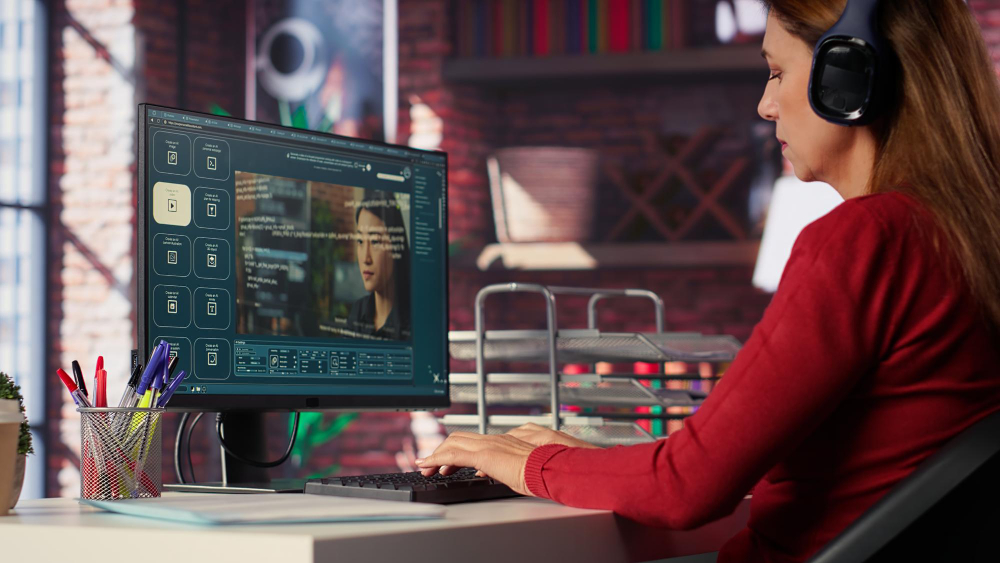
For years, creative professionals feared that artificial intelligence would replace human designers; instead, something more interesting happened: designers started using AI as a creative partner. Today, AI tools are helping creatives work faster, experiment more freely, and spend less time on repetitive tasks.
In the modern design industry, AI is becoming less of a competitor and more of a collaborator.
To Know More:- Optimizing the American Digital Landscape in 2026
Creativity Still Needs a Human Mind
AI can generate layouts, remove backgrounds, suggest color palettes, and even create visual concepts within seconds. But great design is still deeply human. Brand storytelling, emotional connection, cultural understanding, and creative instincts cannot be automated completely. Designers are now using AI to support the process, not lead it. Instead of spending hours resizing assets or searching for inspiration, creatives can focus on strategy, visual identity, and original thinking. Now that much-needed shift is redefining modern creative workflows.
AI Helps Designers Move Faster
Speed has become a major advantage in digital design. Brands expect quick turnarounds for social media campaigns, websites, ads, and product launches. AI-powered tools help designers generate drafts, test ideas, and automate repetitive editing tasks. This allows creative teams to explore more concepts without burning out.
Many designers now combine AI-generated ideas with premium creative assets from platforms like Envato Elements for templates, fonts, stock videos, graphics, and presentation kits that speed up production while maintaining creative quality. The result is a workflow that feels more efficient, not less creative.

The Rise of Human + AI Design
The future of design is not humans versus AI; it is humans working with AI. Creative professionals are already using AI for:
- Mood board generation
- UI and UX brainstorming
- Image editing
- Copy suggestions
- Rapid prototyping
- Animation support
But final creative direction will always depend on human judgment. Designers decide what feels authentic, visually balanced, and emotionally engaging. That balance matters even more as audiences become increasingly aware of generic AI-generated content online.
Designers Who Adapt Will Lead the Industry
The design industry has always evolved with technology. From Photoshop to Figma to generative AI, every major shift initially felt disruptive. The designers thriving today are the ones learning how to integrate AI into their creative process without losing their own artistic voice.
To Know More:- Navigating the Modern Gaming World in Indonesia
AI is not replacing creativity; it is simply removing friction from the creative process. And in a fast-moving digital world, that collaboration may become one of the biggest advantages a designer can have.
Leave a Reply